The Hidden Cost of Living in a Parsonage: What Pastors Need to Know
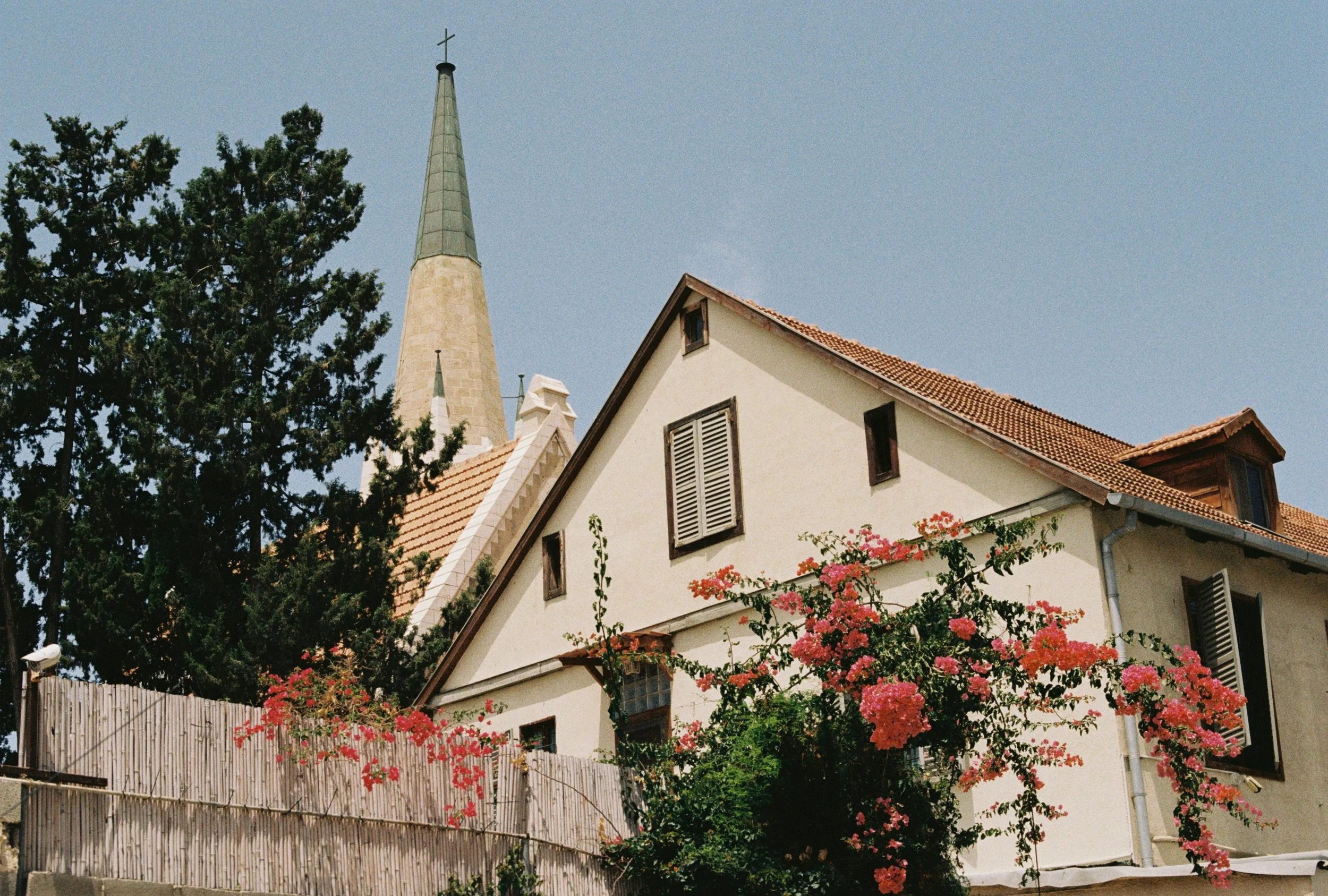
For many pastors, a parsonage is more than just a residence. It represents the church's provision and a practical benefit of ministry life. But as with many blessings, there can be unintended consequences, especially when it comes to long-term financial planning.
Why Pastors Lose Equity Living in a Parsonage
Homeownership is one of the most reliable paths to building wealth in America. Pastors who live in parsonages often miss out on years or decades of home equity growth. That means no asset to downsize, sell, or borrow against in retirement. Over time, this can leave ministry families with little housing stability or net worth when it's needed most.
How Parsonage Living Affects Your Pastor Retirement Plan
Without a mortgage to pay, parsonage-living pastors may lack the "forced savings" mechanism that helps many Americans accumulate wealth. There's also the challenge of budgeting for housing later in life. Pastors who have never paid for housing may find themselves unprepared for rent or property taxes after retirement. Unfortunately, many churches also do not provide adequate retirement contributions to make up for this lost equity.
Church Parsonage and Taxes: What You Need to Know
While pastors living in a parsonage enjoy tax-free housing for federal income tax purposes, they still pay self-employment tax on the fair rental value. Additionally, in retirement, only pastors who own or rent their own homes can designate a housing allowance to shield a portion of their retirement income from taxes.
Steps to Mitigate Financial Risks
Start Saving for Retirement Early
Even with housing provided, pastors should contribute to retirement plans like a 403(b) or Roth IRA. The earlier and more consistently, the better.Own Something While You Serve
If possible, consider buying a small property while serving in ministry. Even a rental home or future retirement property can begin building equity.Think Beyond the Church's Provision
A parsonage is a blessing, but not a plan. Ensure your budget reflects future housing costs. Build savings and avoid lifestyle inflation that assumes lifelong free housing.Get Help from a Pastor-Focused Financial Planner
Work with someone who understands ministerial tax codes, parsonage rules, and pastoral retirement challenges. A customized plan can fill in the gaps.Discuss Alternatives with Your Church Leadership
Explore whether the parsonage could be sold or repurposed, and your compensation restructured to include a housing allowance. This could enable you to buy a home and still meet the church's mission. Options might include converting the parsonage into a missions house, staff residence, or even a rental property that generates income for the church.
Read next: Navigating the Clergy Housing Allowance: Best Practices and Pitfalls to Avoid
Also read: How Is Your Pastoral Salary Being Set? 5 Things Every Pastor Should Know
Living in a parsonage may serve you well today, but without intentional planning, it could create hardship tomorrow. With proactive financial strategy and honest church conversations, you can enjoy the benefits of a parsonage now while still building a foundation for financial independence later.
