The Painful Surprise No Pastor Wants to Discover About Their Paycheck
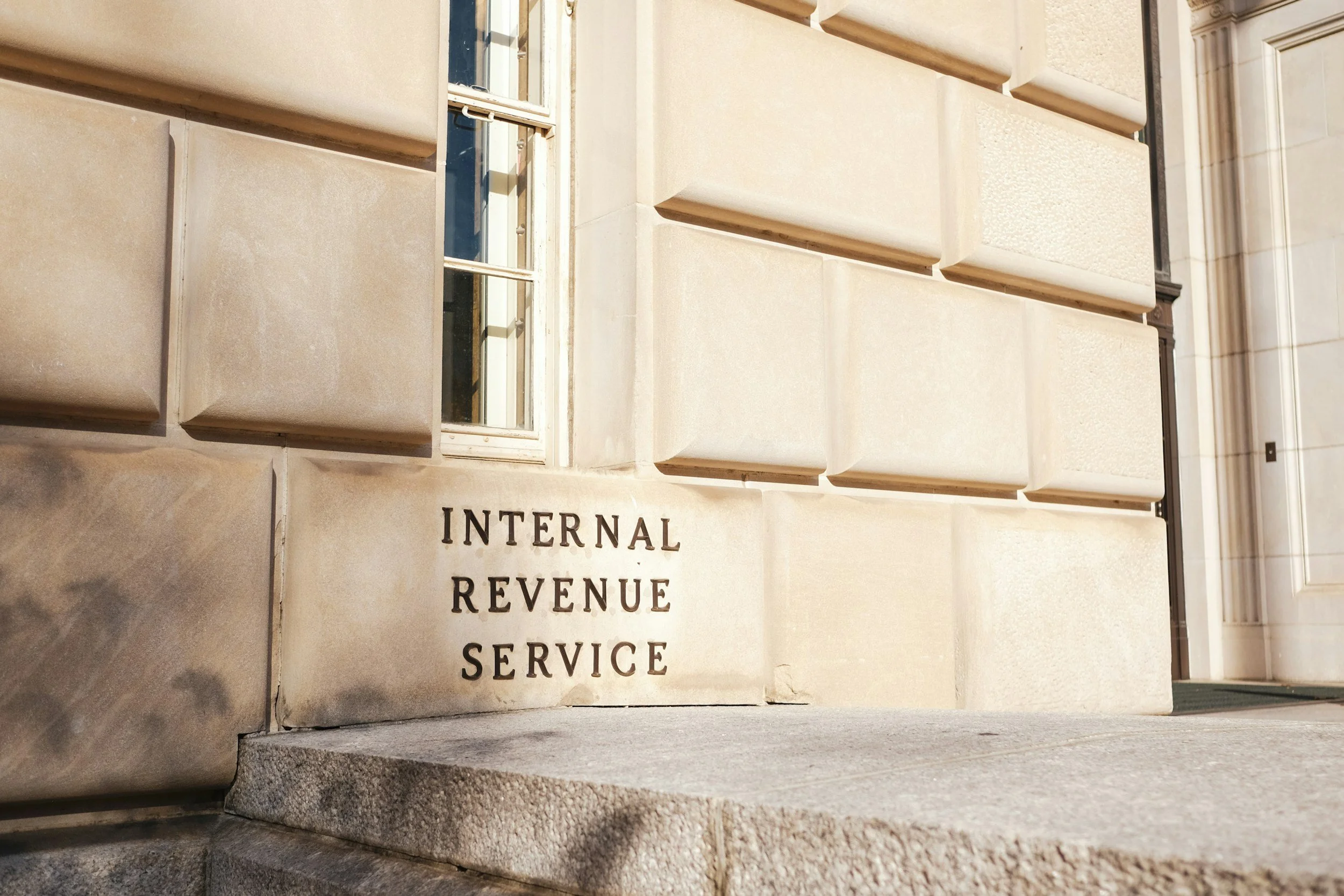
1. The Painful Surprise No Pastor Wants to Find Out the Hard Way
You get a letter from the IRS.
Or maybe a new church treasurer notices something odd in the payroll system.
Or worse, a fellow pastor tells you they were just audited, and everything they thought was being handled “by the church” wasn’t done right.
In that moment, a sinking feeling sets in:
“Wait… are we doing this wrong too?”
Here’s the truth far too many pastors learn the hard way:
When a church mismanages pastoral compensation, whether out of ignorance, good intentions, or outdated habits, it’s not just a financial issue. It can become a legal risk, a relational fracture, and a spiritual distraction.
And when the system breaks down, you won’t be the only one who pays for it.
2. Why This Matters So Much for Pastors
As a pastor, you live in a unique financial reality.
You’re considered a dual-status employee: an employee for income tax purposes, but self-employed for Social Security under SECA. You’re likely eligible for a housing allowance, which must be designated in advance. And depending on your ordination and compensation structure, you might receive additional income through weddings, speaking engagements, or love offerings, all of which must be tracked and reported properly.
Here’s the problem: Most church boards, treasurers, and payroll providers don’t understand these rules.
So they apply standard employee payroll practices and accidentally put you at risk.
3. What “Paying You Wrong” Actually Looks Like
Let’s get specific. Here are the most common errors that churches make:
Treating the pastor like a normal employee for FICA
Churches sometimes treat their pastor like a regular employee by withholding Social Security and Medicare (FICA) taxes from their paycheck. But this is a problem: for ministerial services, pastors are considered self-employed for Social Security purposes and must pay SECA tax, even though they receive a W-2.
Unless a minister has opted out of Social Security by filing IRS Form 4361 and receiving official approval, they are required to pay self-employment tax (SECA) on ministerial income. FICA should not be withheld from a minister’s wages for their pastoral duties. Doing so can create reporting errors and potential IRS compliance issues.
Note: Ministers can choose to have income tax voluntarily withheld from their paycheck, but not FICA.
Failing to Properly Designate the Housing Allowance
The housing allowance must be formally designated in writing by the church board before the pastor receives the portion of income it’s intended to cover. While the amount can be amended during the year for future compensation, it cannot be applied retroactively to income already received.
If it isn’t properly designated ahead of time, the pastor forfeits one of the most powerful tax benefits available, and there’s no way to fix it after the fact.
Mishandling love offerings or “gifts”
Love offerings taken during Pastor Appreciation Month? That’s taxable income. So are wedding honorariums and mission trip stipends. Churches often call these “gifts” and leave them off the W-2, but the IRS sees them as compensation and expects them to be reported as taxable income.
Failing to report reimbursements correctly
Under an “accountable plan,” reimbursed ministry expenses are not taxable. But without receipts or proper documentation, they must be added to taxable income. Many churches don’t track this closely enough.
Inconsistent reporting across pastoral staff
One pastor receives a W-2. Another is issued a 1099, which is incorrect for ministers serving in an employee role.The youth pastor gets nothing at all. This inconsistency doesn’t just look sloppy it can flag an audit.
4. What Most Pastors (and Churches) Miss
Here’s the deeper issue: these aren’t just clerical oversights.
They’re signs of a deeper misunderstanding about stewardship, responsibility, and ministry accountability.
Pastors assume the church “has it handled.”
Boards assume the pastor “already knows all this.”
Bookkeepers assume the payroll software is set up correctly.
Meanwhile, years pass. Mistakes compound. And one day through a tax notice, a job transition, or a personal audit it all unravels.
And when that happens, the fallout isn’t limited to your tax bill.
Churches have lost trust with pastors. Pastors have walked away in frustration. Boards have been accused of negligence. Relationships suffer.
Even the church’s witness can be damaged when financial mismanagement comes to light.
5. A Better Path Forward
Here’s the good news: this is fixable.
But it requires more than a new payroll provider or software upgrade. It requires clarity, accountability, and intentional alignment between the pastor and church leadership.
Start with these steps:
Review your current pay structure. Are you getting a W-2 without FICA? Is your housing allowance properly documented?
Document everything in writing. Salary agreements. Housing allowance. Reimbursement policies. Board approvals.
Educate your board and finance team. They don’t need to be experts but they need to understand the basics of clergy compensation.
Bring in a specialist. Not every CPA understands ministry tax law. A specialist who works with pastors can help catch what others miss.
6. Scripture Insight: Stewardship Is Shared Responsibility
“Be sure you know the condition of your flocks, give careful attention to your herds…”
Proverbs 27:23
You can’t afford to take a hands-off approach to your compensation, not when the consequences can affect your finances, your family, your church, and your calling.
Stewardship isn’t just about generosity.
It’s about wisdom, clarity, and shared responsibility.
And when everyone plays their part, you won’t just avoid costly mistakes you’ll build a foundation that honors God and protects your ministry.
Disclaimer: This post is for educational purposes only and does not constitute legal, financial, or tax advice. Pastors should consult with a qualified tax professional or fiduciary advisor who understands clergy-specific retirement planning.
