Pastor are You Financially Healthy? A Simple Checkup for Pastors
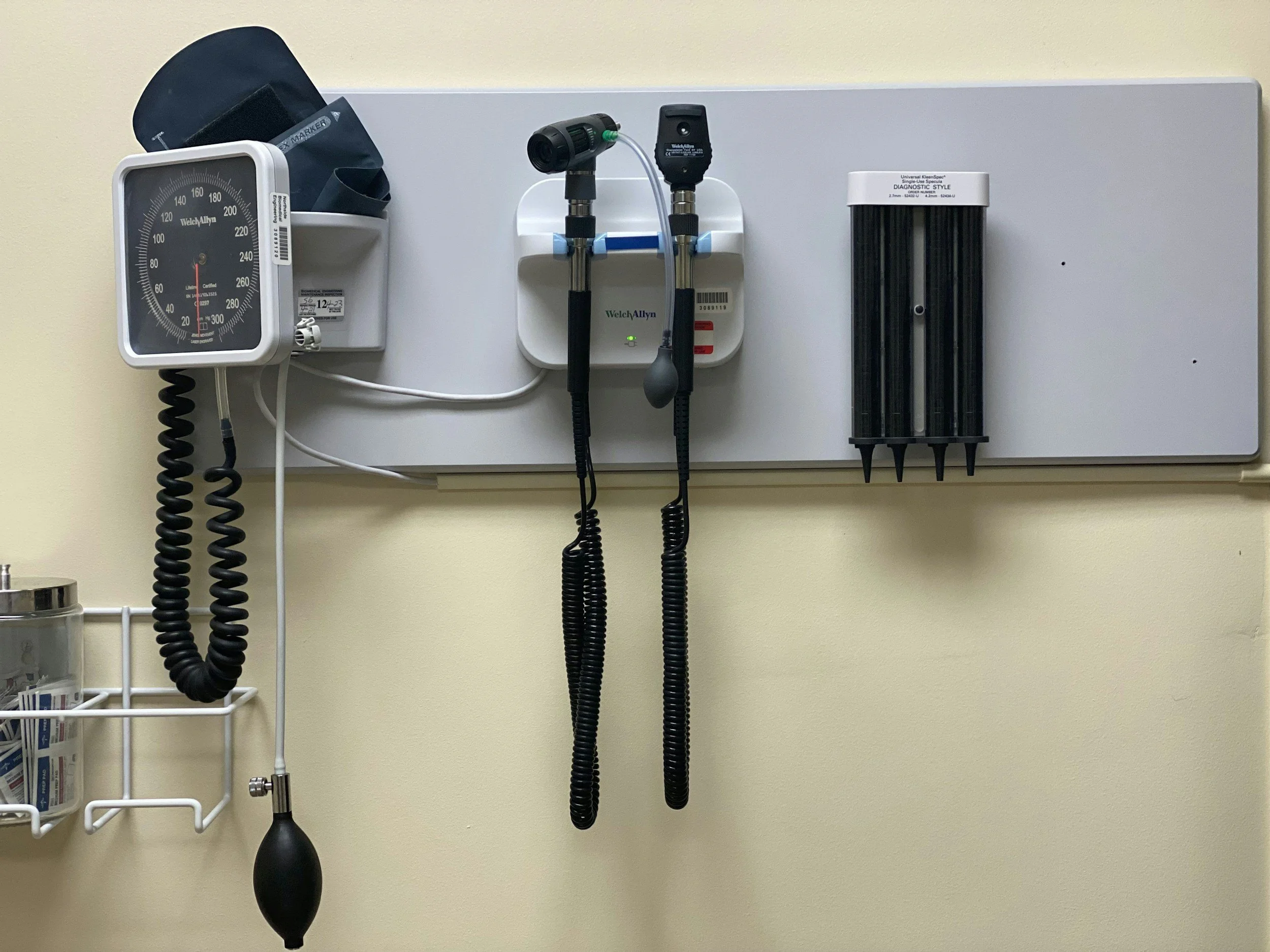
Most pastors get regular checkups. You visit the doctor for your body, the mechanic for your car, and maybe even a counselor for your soul. But when was the last time you checked your financial health?
For many in ministry, “financially healthy” simply means “the bills are paid.” But that is like saying you’re healthy because you haven’t stepped on the scale or been to the doctor in a while. We all know physical health goes deeper than that but for some reason we think financial health works differently. Financial health is about having stability today, margin for tomorrow, and a plan for the future.
The truth is, most pastors never stop long enough to evaluate how they are really doing. So here’s a simple seven-question checkup designed just for pastors. No shame, no pressure, just an honest quick look at where you are and where God might be inviting you to grow.
1. Am I saving consistently toward long-term goals?
Saving is not about wealth. It is about wisdom. Proverbs 21:20 says, “The wise store up choice food and olive oil, but fools gulp theirs down.” Wise stewardship always includes preparation not just for emergencies, but for future ministry flexibility.
Saving creates margin, and margin creates freedom…freedom to rest, to give, and to say yes when God opens new doors.
If you are saving less than 10 percent right now, that’s okay. Start where you are and aim to grow toward 10–15 percent over time. The goal is consistency, not perfection.
Healthy practice: Automate savings each month and treat it like a bill you owe to your future self. It’s a commitment to the future faithfulness God has called you to live.
2. Is my debt helping or hurting my calling?
Debt is not always bad, but unmanaged debt can quietly drain your peace and limit your ministry flexibility. Some debt like a mortgage or education that equips you for long-term ministry can be healthy if done responsibly. But credit cards, car loans, or quick fixes often create pressure that keeps you tied to the present instead of planning for the future.
Ask yourself: Is my debt moving me toward what God has called me to, or is it holding me back from saying yes when He opens new doors? Debt doesn’t just affect your wallet…it affects your margin, your rest, and your ability to respond to God’s leading.
Healthy practice: Write down every debt with its balance, payment, and interest rate. Focus on high-interest debt first, and celebrate every bit of progress. Every balance you reduce increases your peace, your margin, and your freedom to serve.
3. Have I protected my family if something happens to me?
This is one of the most overlooked areas of pastoral finance. Many assume, “If something happened to me, the church would take care of my family.” But churches change, and that kind of help is never guaranteed.
Protection means having the right safety nets in place:
Life insurance to replace income for your spouse and dependents
Disability insurance to protect your family if illness or injury keeps you from working
An emergency fund with at least three to six months of expenses
Healthy practice: Don’t think of insurance and savings as something fearful or morbid but rather good stewardship. You are building stability and peace for those you love and freeing both your family and your church from financial uncertainty in the hardest seasons of life.
4. Am I giving consistently and joyfully?
Financial health is not only about what you keep but also about what you give.
Giving is where stewardship begins. In Scripture, God’s people brought the firstfruits of what they had as a declaration of trust…not what was left over. It must be the first thing we do, not what we fit in after everything else is covered.
Generosity keeps your heart aligned with God’s priorities and reminds you that you are a steward, not an owner. Scripture says, “Whoever can be trusted with very little can also be trusted with much” (Luke 16:10). Giving first is an act of faith. It declares that God is the provider, not the paycheck.
If your giving has become inconsistent or something you do only when it feels comfortable, it may be time to re-center it. Generosity is not just obedience, it’s freedom. When you put God first financially, it changes how you see every other area of your finances.
Healthy practice: Build giving into your monthly plan before anything else. When generosity becomes your first decision instead of your leftover decision, everything else in your financial life begins to align.
5. Am I preparing for retirement, or just hoping something will work out?
Many pastors assume they will simply keep preaching or that the church will somehow provide when the time comes. But retirement eventually arrives, whether by choice or by circumstance.
Planning for retirement is not a lack of faith. It’s wisdom. Planning helps to create margin so you can serve freely in every season of life without being driven by financial pressure.
A healthy plan includes regular contributions to a church sponsored 403(b) or IRA and awareness of your Social Security status. Remember, contributing to a church 403(b) can allow you to maintain the housing allowance benefit on your retirement distributions which is a powerful and unique advantage for clergy.
Retirement readiness is not about walking away from ministry; it’s about preparing for ministry to look different. When your financial life is in order, you can keep serving out of calling, not necessity.
Healthy practice: Review your retirement contributions at least once a year. If you are not saving yet, start small and increase gradually. Hope is not a financial strategy but planning can turn hope into peace.
To dig deeper on this topic, explore these related articles:
• Your Church Isn’t Your Retirement Plan
• Will I Ever Be Ready to Retire?
6. Do I understand how my income and taxes really work?
Clergy taxes can be complicated, and unfortunately many pastors never receive proper guidance if any guidance at all. Between dual status, SECA tax, housing allowance, and reimbursements, it can be difficult to know what your real take-home income even is.
Financial health begins with clarity. You can’t manage what you don’t understand. When you know how your compensation is structured, you can make confident decisions about taxes, insurance, and retirement instead of reacting to surprises every April.
And let’s be honest, this is an area where many pastors quietly feel lost. That’s nothing to be ashamed of. Most payroll teams and even some accountants don’t fully understand clergy tax law. But ignoring it only creates bigger problems down the road.
Healthy practice: Sit down with a professional who understands clergy tax law and review your pay structure, housing allowance, and SECA obligations. Clarity doesn’t just prevent mistakes — it creates confidence and peace of mind.
To learn more about how these mistakes happen and what you can do about them, check out:
• The Painful Surprise No Pastor Wants to Discover About Their Paycheck
7. Do I have a written plan that reflects my priorities?
Scripture reminds us that “the plans of the diligent lead to profit as surely as haste leads to poverty” (Proverbs 21:5). A written plan brings order to your finances and peace to your heart.
A budget isn’t about restriction. It’s about direction. It helps you live intentionally instead of reactively. A budget tells your money where to go instead of wondering where it went.
When you have a clear plan, your giving, saving, and spending all begin working together toward the same purpose. And if you’re married, that kind of clarity builds unity and trust.
Healthy practice: Use a simple monthly plan that reflects your values and calling. Review it regularly and celebrate small wins along the way. A plan doesn’t limit your faith. A plan strengthens it.
Your Financial Health Score
Look back over your answers.
Mostly “yes” responses mean you are building a strong foundation.
Mostly “no” or “not sure” responses mean you have an opportunity to strengthen your stewardship and security.
This isn’t about guilt. It’s about awareness. You can’t fix what you won’t face, and you can’t steward well what you don’t measure.
Moving Forward
Financial health for pastors is about more than numbers. It is about alignment. It’s about making sure your money supports your calling instead of competing with it.
Every pastor deserves to feel confident about their financial future, not anxious or uncertain. Whether you are doing well or realizing you need help, the next step is simple: take inventory, seek wise counsel, and start planning with intention.
You care for people every day. Make sure you are caring for your own future too.
If you want to take this conversation deeper, my book Legacy Together helps couples and ministry leaders talk honestly about faith, money, and purpose. You can even download a free small group facilitator guide here: Legacy Together Facilitator Guide.
Disclosure: This article is provided for educational purposes only and should not be considered specific tax, legal, or investment advice. Pastors and ministry leaders should consult with a qualified professional who understands clergy compensation and tax law before making financial decisions.
